
10 Best Cat Breeds for Apartments
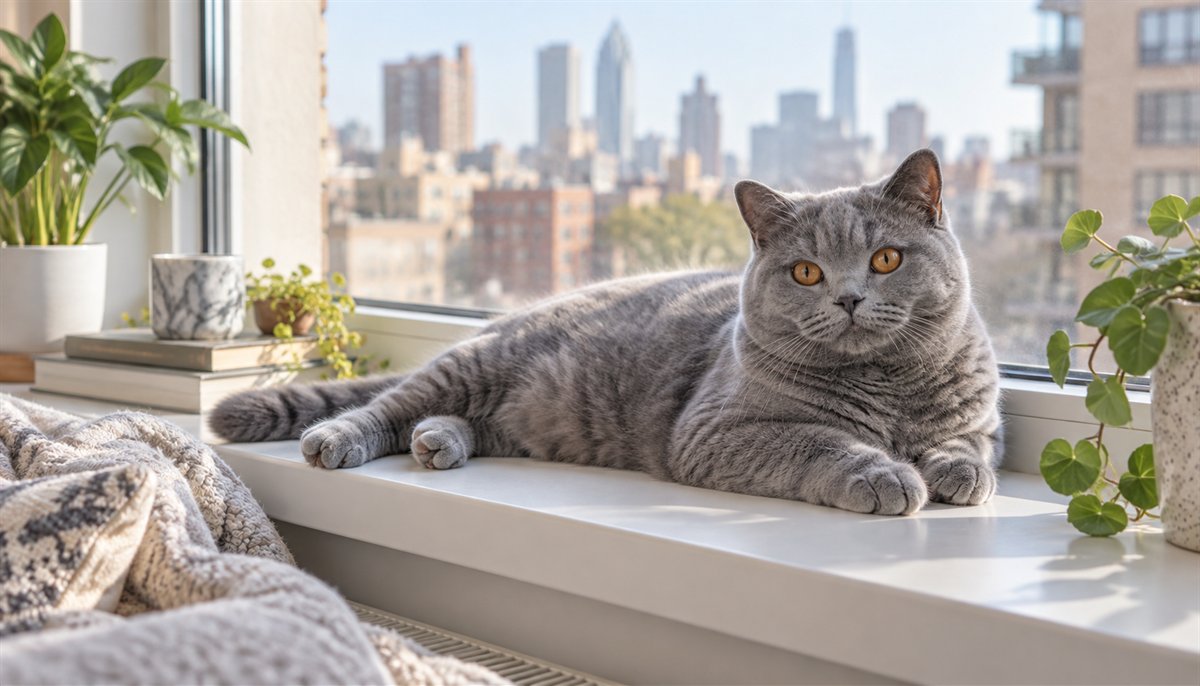
Here's the good news apartment dwellers rarely hear: cats measure territory in vertical space and quality of life, not square footage. A 600-square-foot apartment with a window perch, a tall cat tree and a human who plays wand-toy every evening beats a big empty house every time. Still, some breeds settle into indoor city life far more gracefully than others. Drawing on breed guidance from the Cat Fanciers' Association (CFA), veterinary sources and feline behaviorists, here are ten cats with a well-earned reputation for small-space living — plus the setup secrets that matter more than the pedigree.
What actually makes a cat "apartment-friendly"?
Feline behaviorists point to four traits worth screening for. A moderate energy level — the cat plays hard in bursts but doesn't need to patrol acreage. A quiet voice — thin walls and vocal breeds are a rough combination for neighbors (and your lease). Adaptability — confident cats shrug off hallway noises, elevators and delivery buzzers; anxious ones live on high alert. And people-orientation — in an apartment, you are the entertainment, so a cat that genuinely enjoys company will be happier than a loner. Breed shapes all four, but the individual cat's history and your setup shape them just as much.
The 10 best cat breeds for apartments
1. Russian Blue The quiet professional
Gentle, soft-voiced and famously tidy, Russian Blues are the classic apartment cat. They bond deeply with their person, keep to a happy routine, and are content to watch the world from a windowsill while you work. They can be reserved with strangers — which in an apartment mostly means one dignified glance at your guests before returning to their perch.
Best for: quiet households and remote workers who want a devoted, low-drama shadow.
2. British Shorthair The easygoing teddy bear
Plush, round and thoroughly unbothered, British Shorthairs are calm to their core. They're affectionate without being needy, rarely vocal, and perfectly happy supervising the apartment from the sofa arm. One note from vets: their laid-back nature means weight creeps up easily indoors, so measured meals and daily play matter.
Best for: first-time owners who want a mellow companion, not a project.
3. Ragdoll The floppy homebody
Ragdolls are big, docile and famously relaxed — the breed that goes limp in your arms is unsurprisingly fine with staying home. They follow their people from room to room, greet you at the door and have zero interest in escaping out of it. Their semi-long coat needs a quick brush a few times a week, but they make it easy.
Best for: anyone who wants a dog-like cat in a no-dogs building.
4. Persian Serenity in fur form
Persians practically invented indoor living. They're quiet, sedate and happiest with a soft cushion, a predictable schedule and gentle affection on their terms. The trade-offs are real: that glorious coat needs daily grooming, and their flat face means keeping the apartment cool in summer and staying on top of eye care.
Best for: calm homes that can commit to the daily brush.
5. Scottish Fold Sweet-natured (with a health note)
Folds are soft-voiced, adaptable and love nothing more than sitting near (or on) their person — a natural fit for close quarters. One honest caveat we repeat wherever this breed appears: the folded-ear gene is linked to a cartilage condition (osteochondrodysplasia) that can affect joints, so choose responsible breeders or consider the identical-personality straight-eared variant.
Best for: quieter homes that will stay on top of vet care.
6. Exotic Shorthair The low-maintenance Persian
All the placid, cushion-loving Persian temperament with a plush short coat that needs only a weekly brush. Exotics are gentle, quiet and undemanding — content to nap while you're out and companionable when you're home. Like Persians, the flat face means watching for breathing effort in hot weather.
Best for: people who love the Persian vibe but not the grooming schedule.
7. American Shorthair The adaptable all-rounder
Sturdy, even-tempered and famously healthy, American Shorthairs adapt to almost any living situation. They're playful without being frantic, independent enough to handle a workday alone, and social enough to want you back. It's the breed vets recommend when someone says "I just want an easy, happy cat."
Best for: busy people who want a resilient, no-fuss companion.
8. Burmese The velcro charmer
Burmese are affectionate to the point of comedy — lap cats that supervise your cooking, your typing and your showers. They're compact, playful and love small-space life because it keeps their person close. The watch-out: they genuinely dislike long hours alone, so they suit homes with a work-from-home human, a second cat, or both.
Best for: people home most of the day who want a constant, cuddly companion.
9. Sphynx The heat-seeking extrovert
Hairless, wildly social and always warm to the touch, Sphynx cats are indoor-only by necessity — no coat means no outdoor adventures — which makes apartment life a natural fit. They're energetic and people-obsessed, so budget real play time. Their skin needs regular gentle cleaning, and they appreciate a warm spot (or sweater) in winter.
Best for: engaged owners who want a hilarious, affectionate roommate and don't mind the skin-care routine.
10. The adult shelter cat The sleeper pick
Here's the secret shelters know: an adult cat with a known indoor history is one of the best apartment picks there is. Adult cats show you their real energy level and voice up front — no kitten roulette — and shelter staff can point you to the calm, confident cats who've already lived happily in small homes. Vet sources consistently note that matching an individual cat's temperament beats betting on breed averages.
Best for: everyone willing to meet a few cats and let personality decide.
Making a small space feel big (to a cat)
Cats think in three dimensions, so the fastest upgrade is vertical: a floor-to-ceiling cat tree, a couple of wall shelves, and a window perch overlooking the street turn one room into three territories. Add a scratching post near the sofa (before the sofa volunteers), a litter box in a quiet corner away from food, and ten to fifteen minutes of wand-toy play morning and evening — behaviorists find that predictable, hunt-style play sessions do more for indoor-cat happiness than any amount of extra floor space. Puzzle feeders and a rotating box collection handle the hours you're away.
One cat or two?
Counterintuitively, two compatible cats often do better in an apartment than one — they entertain each other during your workday and burn energy in play that would otherwise become 3 a.m. zoomies. The keys: enough resources (one litter box per cat plus one, separate food stations) and a proper slow introduction. If you're adopting, ask the shelter about bonded pairs — they're often the easiest two-cat setup there is.
Frequently asked questions
What is the #1 best cat breed for an apartment?
The Russian Blue and British Shorthair are the most common top picks across vet lists — calm, quiet and content indoors. But an individual cat's energy level and history matter more than pedigree: a mellow adult shelter cat is just as strong a choice.
Is it cruel to keep a cat in a small apartment?
No — indoor cats routinely live longer, healthier lives than outdoor cats, and behaviorists agree that enrichment (vertical space, play, routine) matters far more than square footage. A small apartment with an engaged owner beats a big empty house.
Which cat breeds should apartment dwellers avoid?
Very high-energy breeds (Bengal, Savannah, Abyssinian) need more stimulation than most apartments and schedules provide, and very vocal breeds (Siamese, Oriental) can strain thin walls. None are impossible — but they're projects, not starter cats.
Can a cat be left alone in an apartment all day?
Most adult cats handle a standard workday fine if the environment works for them: food puzzles, window views, scratching options and a solid play session before you leave and after you return. Kittens, and velcro breeds like the Burmese, do better with company.
Do apartment cats need to go outside?
No — and vets generally recommend against free roaming. If your cat craves outdoor sights and smells, a secured balcony ("catio"), a window perch or supervised harness time offers the experience without the traffic, toxins and disease risks.
By the CanMyPet Editorial Team · Reviewed against guidance from the Cat Fanciers' Association, veterinary sources and feline behavior research · Published July 2026.